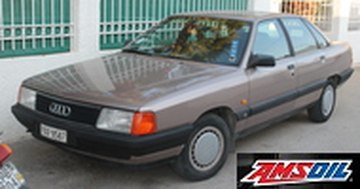
Lubrication Maintenance for the 1982 Audi 5000 2.2L
Maintaining the engine lubrication system in a vehicle like the 1982 Audi 5000 with the 2.2L [C] WK Turbo engine requires consistent attention to detail. Because this specific powerplant utilizes turbocharging technology, the thermal environment and the demands placed on the lubricant are significant factors for any owner or technician to consider during routine service intervals.
Monitoring Fluid Condition and Potential Leaks
A primary component of long-term engine care involves regular visual inspections of the engine bay. For an older vehicle, observing the cleanliness of the engine block and surrounding components can provide early indications of maintenance needs. It is useful to look for signs of fluid seepage or active leakage around various sealing surfaces. If any dampness or residue is noted on gaskets or seals, it warrants a closer inspection to determine if the seepage is minor or requires professional attention.
Beyond looking for external leaks, the condition of the oil itself is a vital indicator of engine health. When checking the lubricant level, pay close attention to its color and consistency. While some discoloration is expected as oil ages and collects particulates, extreme changes in appearance can be associated with various internal processes. If you notice any unusual odors or significant changes in how the fluid behaves, these symptoms should be investigated promptly. Note that many different factors can cause changes in lubricant appearance, so a single observation should be treated as a prompt for further diagnostic inspection rather than a definitive diagnosis of a specific component failure.
Managing Maintenance Records and Baselines
For owners of a 1982 Audi 5000, establishing a clear maintenance baseline is one of the most effective ways to manage the vehicle's longevity. If you have recently acquired this vehicle and do not have access to a comprehensive service history, your first priority should be to document its current state. This includes recording the dates and details of recent oil changes, filter replacements, and any other mechanical repairs performed.
Having an organized record allows you to distinguish between routine maintenance and emerging issues. By tracking how much lubricant is consumed over specific periods or noting when certain components were last inspected, you can move from reactive repairs to a more proactive maintenance strategy. This historical data becomes invaluable when deciding which service tasks to prioritize, especially as the vehicle continues to age. Instead of relying on assumptions about what an older engine might need, you can make decisions based on the actual documented condition and service history of your specific 2.2L turbo engine.
Observing Potential Warning Signs
While many maintenance needs are identified through scheduled inspections, some issues may present themselves through observable symptoms during vehicle operation. It is important to remain observant of how the engine behaves under different driving conditions. For example, if you notice changes in engine noise or unusual vibrations that were not previously present, these can be associated with various mechanical factors and should be investigated.
In some instances, an owner might notice changes in exhaust characteristics. While certain observations may suggest issues with the combustion process or lubrication, it is essential to remember that symptoms are often non-specific. A single symptom, such as a change in exhaust color or odor, can have multiple underlying causes ranging from sensor issues to mechanical wear. Therefore, any unusual observation should be viewed as a signal to perform a thorough inspection rather than an immediate conclusion about a specific part's failure.
Prioritizing Service Tasks for Aging Engines
As vehicles age, the approach to maintenance often shifts from strictly following a schedule to focusing on the actual condition of the components. For the 1982 Audi 5000, this means prioritizing tasks that address active concerns. If an inspection reveals evidence of seepage or if there is a noticeable change in fluid consumption, these items should take precedence over general preventive measures.
Effective prioritization involves distinguishing between necessary repairs and unnecessary parts replacement. Not every aging component requires immediate attention; instead, focus on components that show tangible signs of wear or deterioration. This includes inspecting accessible belts (if equipped) for signs of cracking or glazing, and checking the condition of various hoses and electrical connections. By addressing active issues first and monitoring the condition of aging materials, you can manage maintenance costs effectively while ensuring the engine remains in reliable operating condition.
The Role of High-Mileage Formulations
When an engine has been in service for a significant period, owners may consider different types of lubricants. Some high-mileage oil formulations contain additives intended for use in aging engines. These specialized products often include seal-conditioning additives designed to help maintain the integrity of various gaskets and seals. While these formulations can be a useful tool in a maintenance strategy, they are not a substitute for addressing significant leaks or mechanical failures. They are best used as part of a broader approach to managing an older engine's lubrication needs.
Practical Steps for Buying Engine Oil for the 1982 Audi 5000 2.2L
When it is time to replenish your lubricant, the most important step is to ensure that the product you select matches the specific requirements of your engine. For this 1982 Audi 5000 2.2L [C] WK Turbo, you must match the engine oil to the application-specific viscosity information already displayed on this webpage.
Before making a purchase, follow these practical guidelines:
- Verify Application Data: Always refer back to the technical specifications provided in the application information section of this page to confirm the correct viscosity.
- Check Product Labeling: Once you have identified the required viscosity, carefully read the labels on the oil containers at the store to ensure they match your requirements exactly.
- Consider Formulation Types: Depending on your engine's current condition and your maintenance goals, you may choose between conventional, synthetic blends, or full synthetic oils. If the engine shows signs of significant age, you might also evaluate high-mileage formulations that include seal conditioners.
- Confirm Quality Standards: Look for appropriate API certifications on the packaging to ensure the oil meets modern quality and performance standards.
By strictly adhering to the viscosity and application details provided in the vehicle information above, you can ensure that your lubrication service supports the specific needs of your turbo engine.